Electronics brands must protect workers from hazardous chemicals in the Philippines
21 January 2021
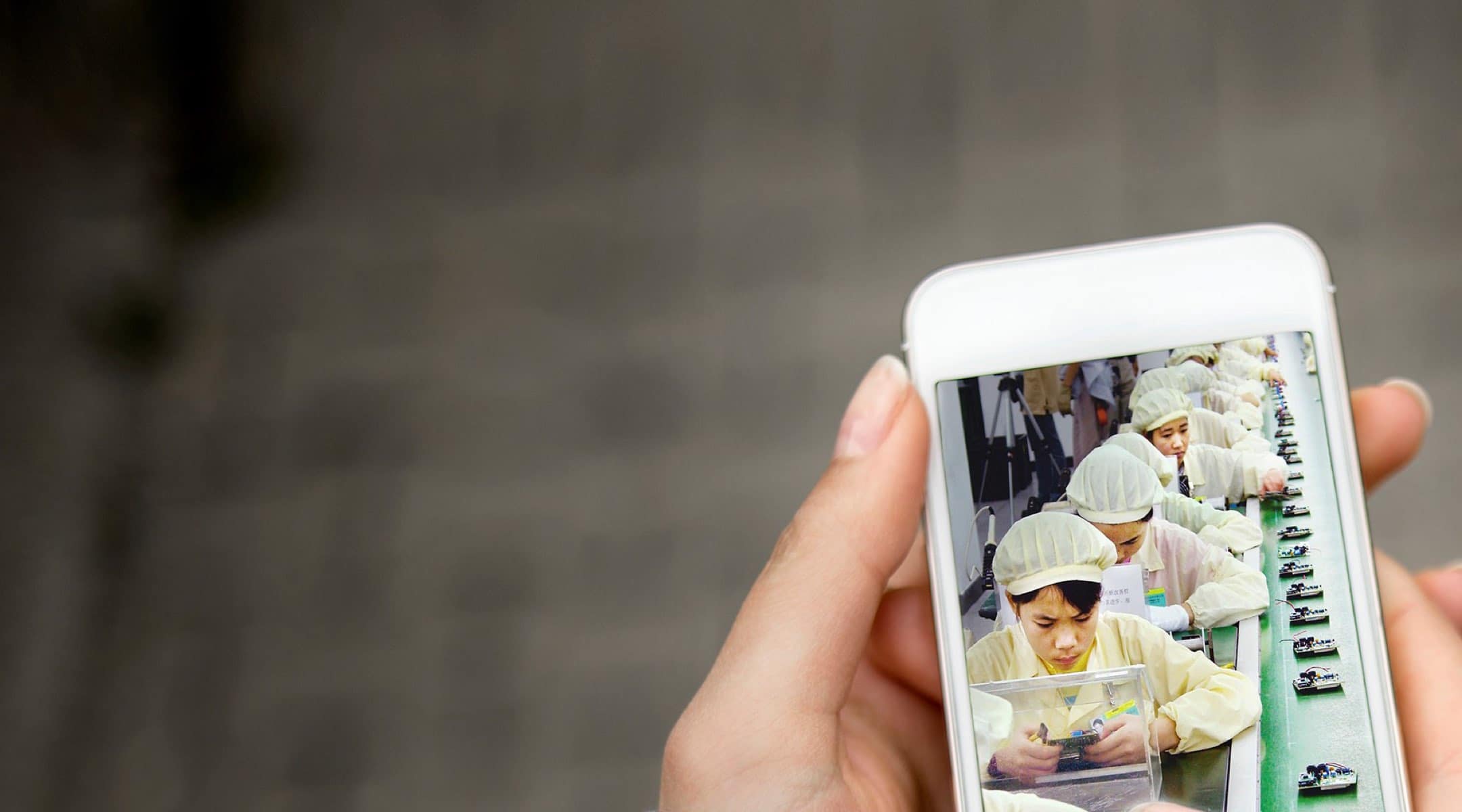
Results from a new Swedwatch survey indicate shortcomings in the human rights processes of leading smartphone and laptop brands sourcing from the Philippines. The mostly female factory workers risk severe health risks from exposure to hazardous chemicals and many fear dismissal if they speak out. Despite the Philippines being ranked among the world’s worst countries for workers’ rights, the brands fail to demonstrate adequate awareness of risks to workers’ health and safety.
As the manufacturing of common ICT devices has increasingly been outsourced to Southeast Asia, so have many human rights risks in the production process. In the Philippines, the mostly female workforce is exposed to hazardous chemicals and serious health impacts. In a Swedwatch report launched in 2020, women complained of chest pains they attributed to fumes inhaled in poorly ventilated spaces without proper protective equipment. Several had suffered from miscarriages.
“I am the fourth woman on our production line to get cancer,” one worker said in the Swedwatch investigation. “The chemicals were so strong that the gloves melted on our hands,” said another.
All the women worked in plants located in special economic zones where trade union activity is restricted.

Following the 2020 investigation, Swedwatch surveyed five well-known brands: Apple Inc., Dell Technologies Inc., HP Inc., Intel Corporation and Samsung. The briefing Hazardous chemicals in ICT manufacturing and the impacts on female workers in the Philippines is based on their responses.* In dialogue with Swedwatch, the brands said they follow relevant Filipino legislation and global industry standards, but the survey responses indicate that their due diligence processes to ensure safe and healthy working conditions did not take into account the high-risk location.
“The brands’ responses did not indicate that their measures were taking the grave labour rights situation in the Philippines into account, nor that they had properly considered the potential impact of these chemicals on women, including pregnant women, whose bodies are affected differently to men,” said Swedwatch researcher Olof Björnsson.
Related investigations:
2020: Webinar on public procurement and minerals in electronics
2020: TOXIC TECH – Occupational poisoning in ICT manufacturing
2019: Environment and human rights risks in mining of ICT minerals
If I complained I would be out of a job. That is the dilemma.
/Female worker
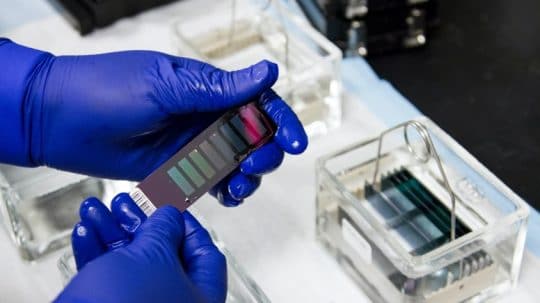
The chemicals were so strong that the gloves melted on our hands.
/Female worker
According to Electronics Watch, a monitoring group working to protect the rights of workers in electronics supply chains, gender considerations of occupational safety are often overlooked:
“A large portion of the electronics production workforce are women of child-bearing age. But occupational exposure limits rarely account for the heightened vulnerability of pregnant women,” said Electronics Watch director Björn Claeson.
The violent climate for labour rights and freedom of expression in the Philippines makes it next to impossible for workers to claim their rights. According to the International Trade Union Confederation, the general situation for workers and unions in the country makes it one of the worst places in the world to be a worker.
“Workers we spoke to said they risk dismissal if they ask questions about hazardous chemicals. Only a few percent of Filipino workers can turn to a trade union for support. Union representatives face intimidation and violence and are at risk of being murdered,” said Björnsson.

Swedwatch calls on the companies surveyed, and all companies sourcing from the Philippines, to follow international norms and conduct heightened human rights due diligence – an investigative process to assess and address risks to workers in their supply chain – and ensure measures are in place to protect them from chemical exposure. These efforts should employ a gender lens, examining the impacts on women and men separately and applying solutions tailored to those different impacts.
* Apple Inc. submitted a reply after the briefing paper had been finalized. The reply can be found here. In its reply Apple Inc. did not provide information on whether the company has identified any actual or potential human rights impacts specific to the Philippines or if the company has acted on any such findings. Apple Inc. states that toluene and DCM are prohibited since 2016 and that lead has been eliminated.
This briefing is part of the EU-wide campaign #MakeICTFair which aims to raise awareness of how people and the environment are affected by electronics manufacturing and to improve working and living conditions of workers and local communities along the supply chain. It is financed by the EU and partly by SIDA.