
The training was very useful. Scarcity of knowledge on human rights and the relevant grievance mechanisms amongst the community members has made them vulnerable to exploitation by some companies.
/Participant from an organisation in northern Kenya, working with communities affected by land-intensive projects.
Business and Human Rights Trainings
Building capacity for responsible business conduct
Drawing on a diverse team and long-standing partnerships with local organisations around the world, Swedwatch offers tailored training for rights-holders and their representatives, seeking to strengthen their capacity to engage with and hold businesses accountable.
We also offer training for businesses and other duty-bearers, focusing on strengthening responsible business conduct by better understanding and responding to the perspectives of rights-holders.

Our trainings build on years of experience researching and investigating business-related human rights and environmental impacts in global value chains. Using lessons from real cases (documented in 100+ reports), we help participants understand how international standards and legal requirements can be applied in practice, always keeping the experiences and priorities of affected stakeholders at the centre.
What we cover
As a common foundation, our trainings cover the leading business and human rights frameworks, emerging legislation, and the key principles of Human Rights and Environmental Due Diligence (HREDD) – the process through which businesses identify, prevent and address adverse impacts on people and the environment.
While this foundation is typically included in all trainings, the content is adapted to different audiences and objectives, allowing for a deeper focus on specific topics and practical challenges such as meaningful stakeholder engagement, access to remedy and effective grievance mechanisms, responsible business conduct in high-risk contexts, and the role of human rights defenders.
For rights-holders and their representatives, training may also include how to conduct evidence-based research, document impacts, collect various forms of evidence, and use these findings to engage with businesses and advocate for change.
Illustrative agenda
Rights-holders & their representatives
- Business and human rights: Why it matters
- Understanding corporate responsibilities and key standards
- Human Rights and Environmental Due Diligence
- Recognising gaps and shortcomings in practice
- Knowing your rights
- Documenting impacts and gathering different forms of evidence
- Engaging with companies and investors
- Advocacy, accountability and access to remedy
- Staying safe
Illustrative agenda
Companies & other duty-bearers
- Business and human rights: Why it matters and emerging trends
- Understanding responsibilities and key standards
- Human Rights and Environmental Due Diligence
- Due diligence in high-risk context
- Identifying and assessing risks and impacts
- Common pitfalls and implementation challenges
- Meaningful stakeholder engagement in practice
- Access to remedy and effective grievance mechanisms
- Turning commitments into action
Training format and delivery
Sessions combine presentations, discussions and interactive workshops, using real-world examples from Swedwatch’s investigations and research. Participants are encouraged to work through practical cases and reflect on how the concepts apply to their own context and challenges.
Trainings can be delivered online or in person, by Swedwatch alone or together with civil society partners and other collaborators.
Examples from recent trainings
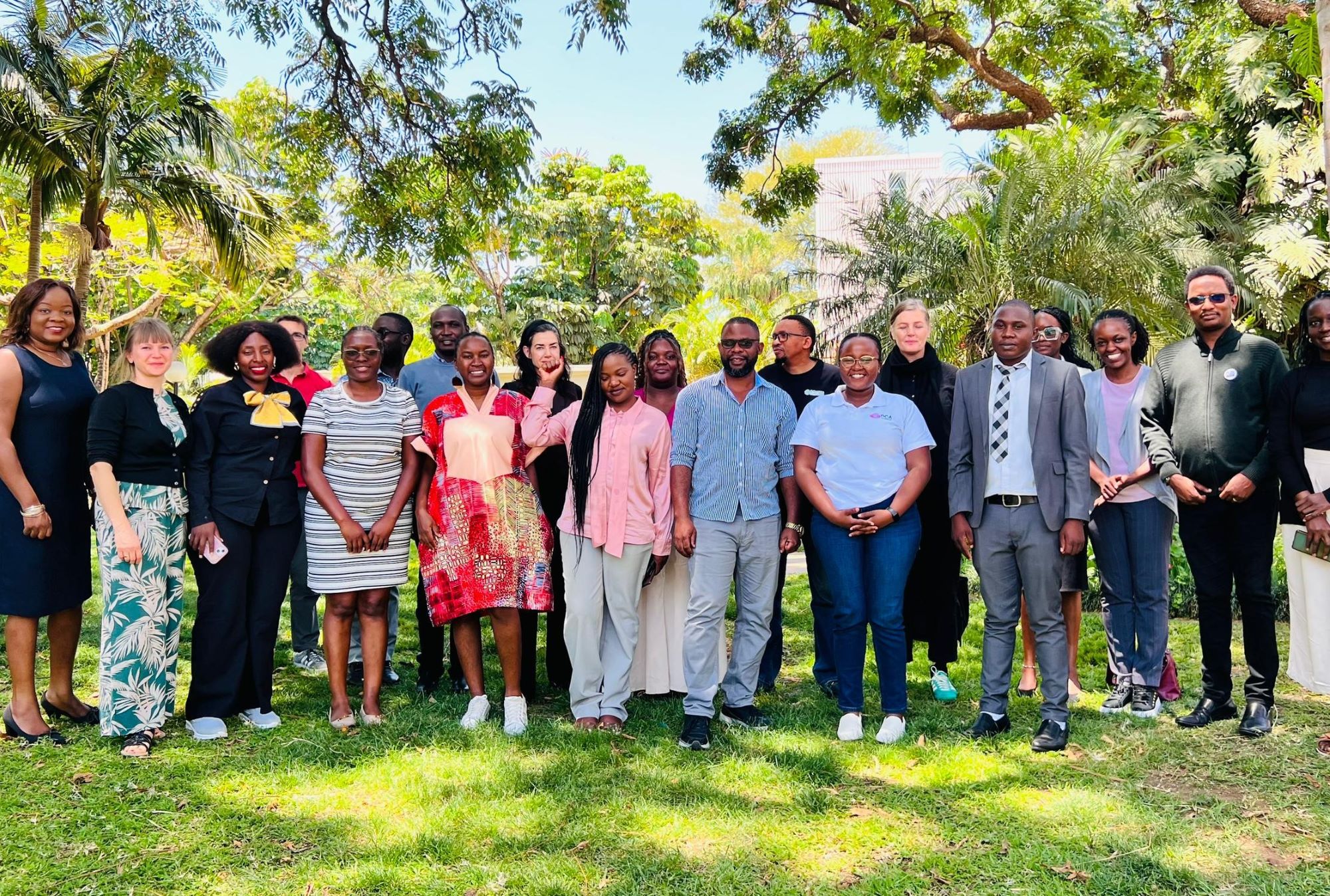
Strategies for successful stakeholder engagement
Zambia: Civil society organisations
Introduction to business and human rights for Church of Norway partners from Zambia and neighboring countries, held ahead of the 2025 Business and Human Rights Forum in Lusaka. Participants worked on real cases related to mining impacts and explored strategies for effective stakeholder engagement.
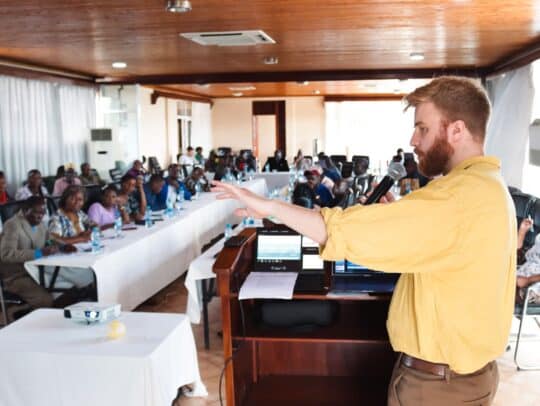
Access to remedy and grievance mechanisms
Tanzania: Faith actors
Training for faith leaders from across the Great Lakes and Horn of Africa regions, focusing on their role in supporting mining communities, facilitating dialogue with companies and investors, and exploring ways to improve access to remedy and grievance mechanisms.
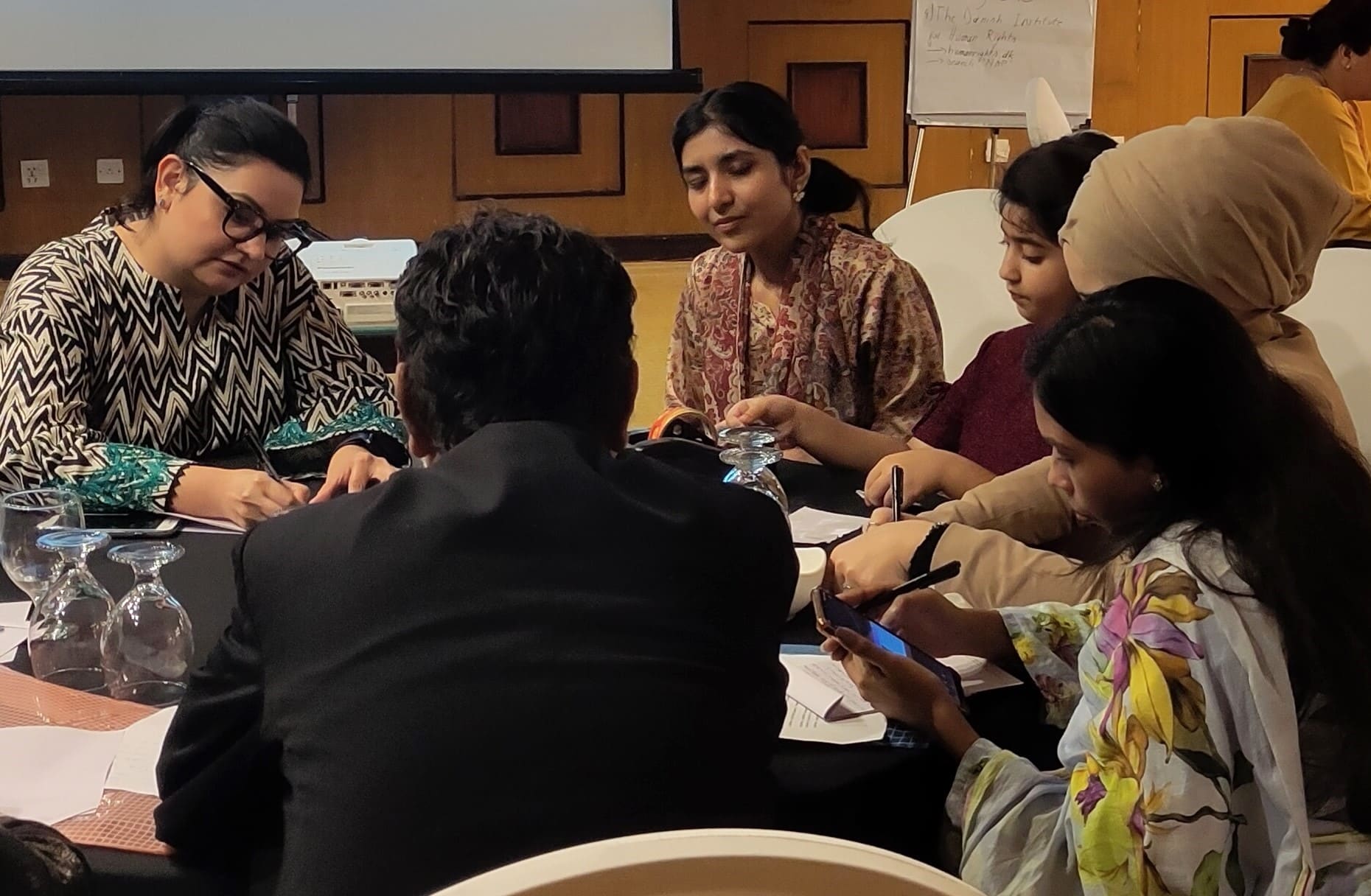
Workers' rights in home textile value chains
Pakistan: Civil society organisations
Introduction to business and human rights standards and emerging EU due diligence legislation for local organisations working with labour rights. Participants explored how these frameworks can be used to strengthen accountability in the Pakistani home textile industry.
